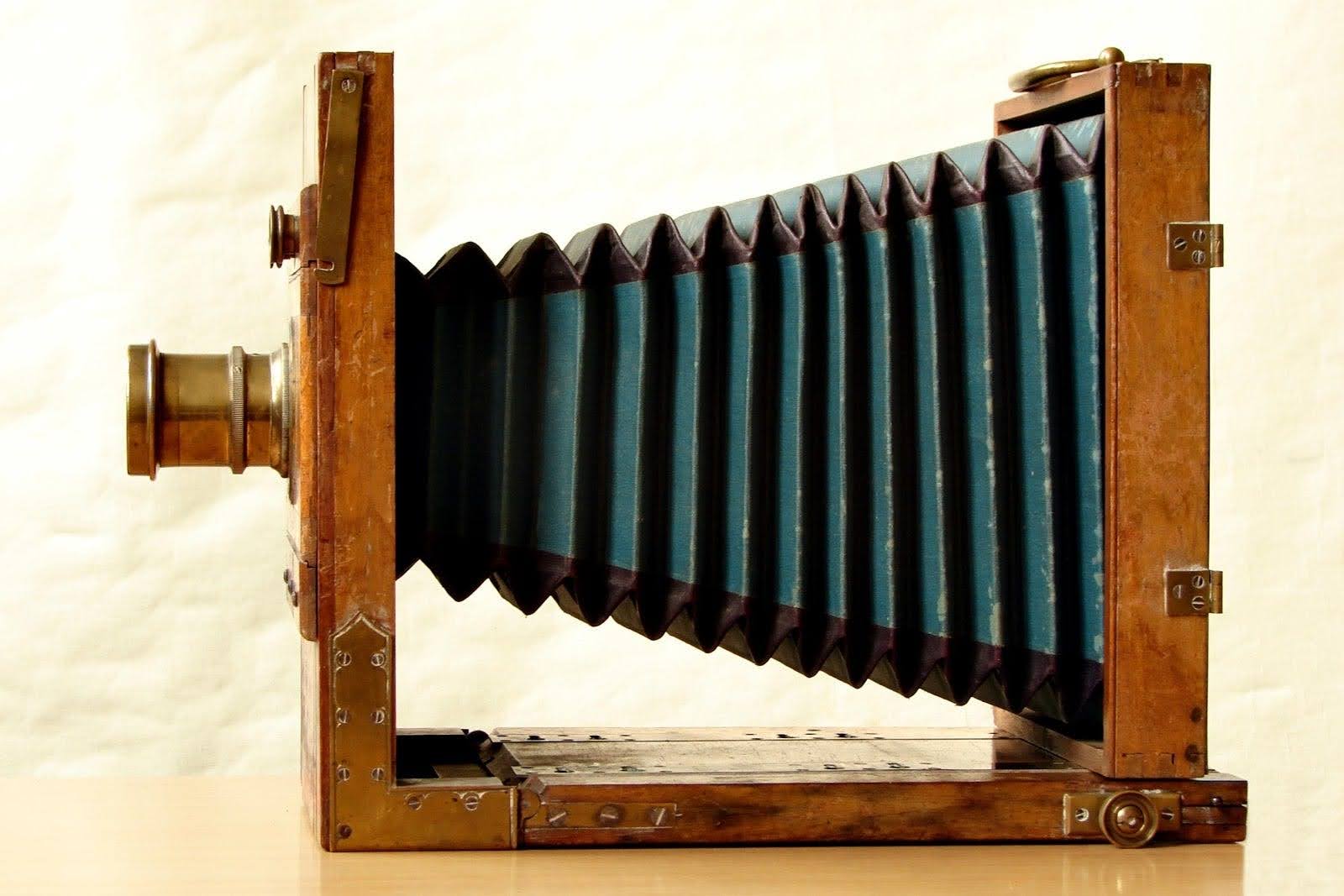
Understanding camera focal length and why it matters.
Photography Tips

Share:


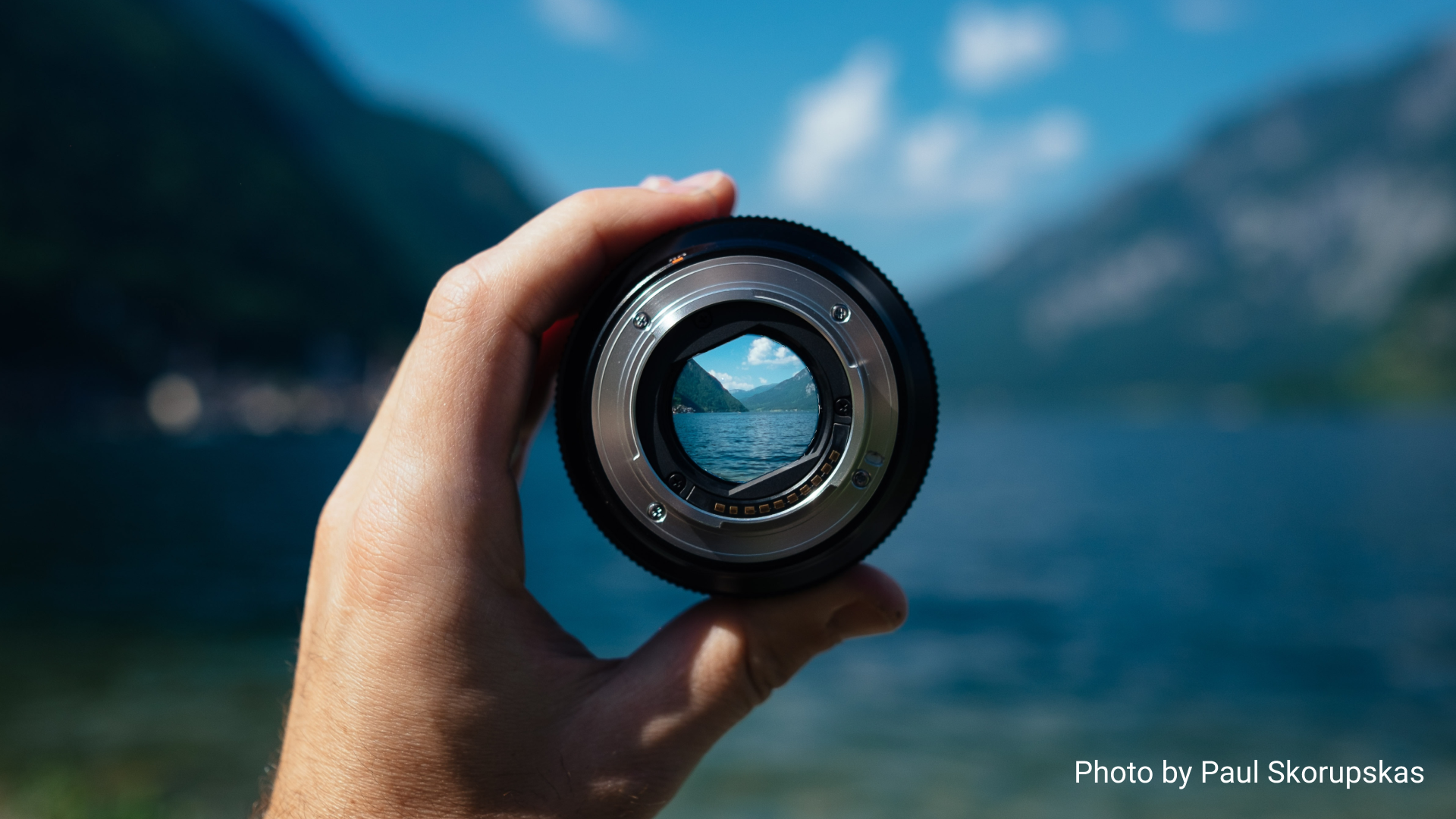
If you’ve spent any time shopping for camera lenses, you’ve seen the wide range of focal lengths available.
The focal length of a lens can affect your photo in many ways, and some are better suited for certain types of photography than others. What is focal length, and how does it affect your images? Read on to find out.
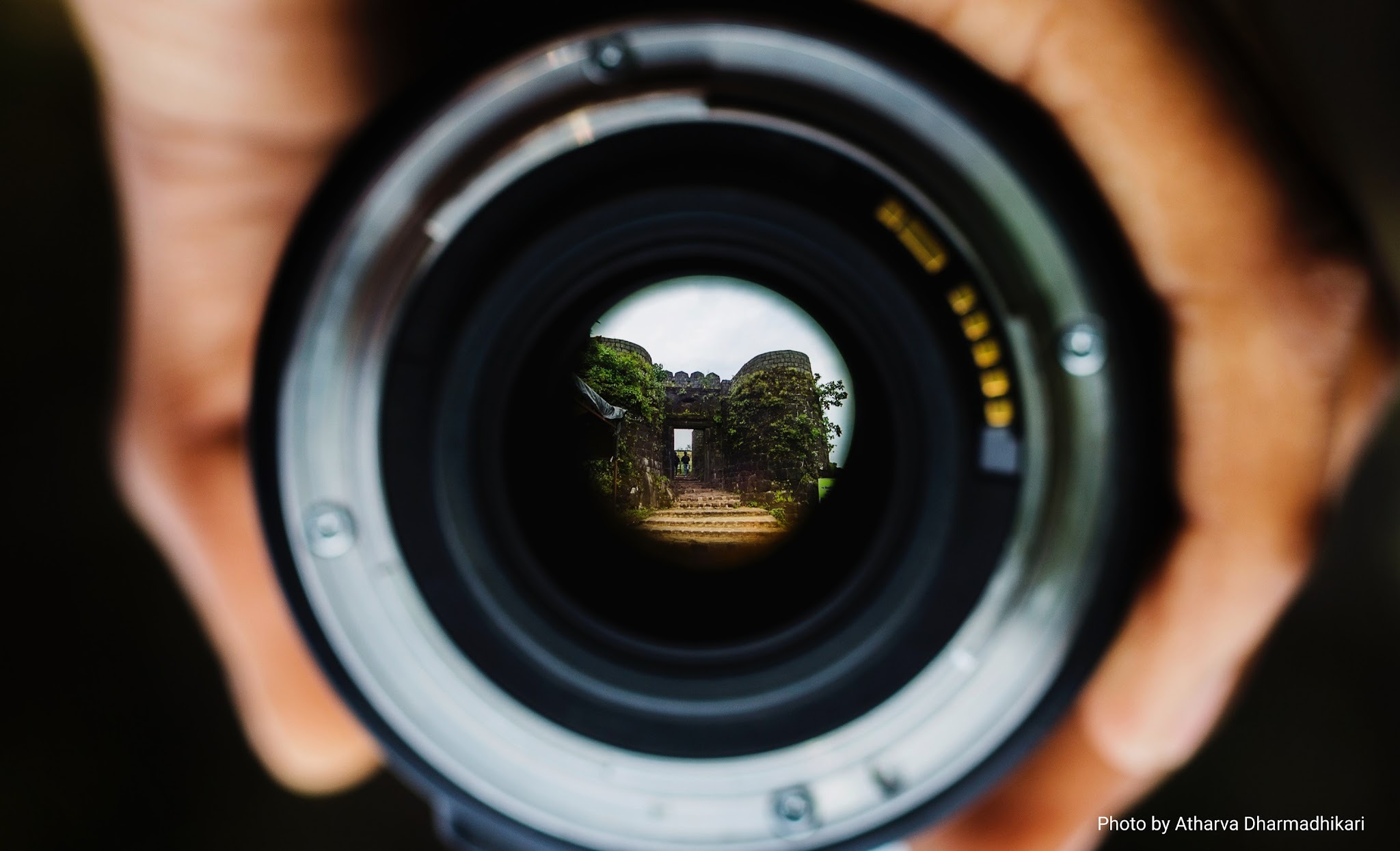
Focal length is the distance (measured in millimeters) between the lens and the image sensor of your camera when your subject is in focus. It dictates how much of what you’re trying to shoot will be captured by the camera. Focal length is included in the name of every lens, and is sometimes expressed as a minimum and maximum, indicating a lens with zoom capabilities.
The shorter the focal length of your lens, the wider the angle of view will be, capturing more of your scene. Likewise, the longer the focal length is, the more narrow the angle of view will be, meaning less of the scene will be in the image but your subject will be larger.
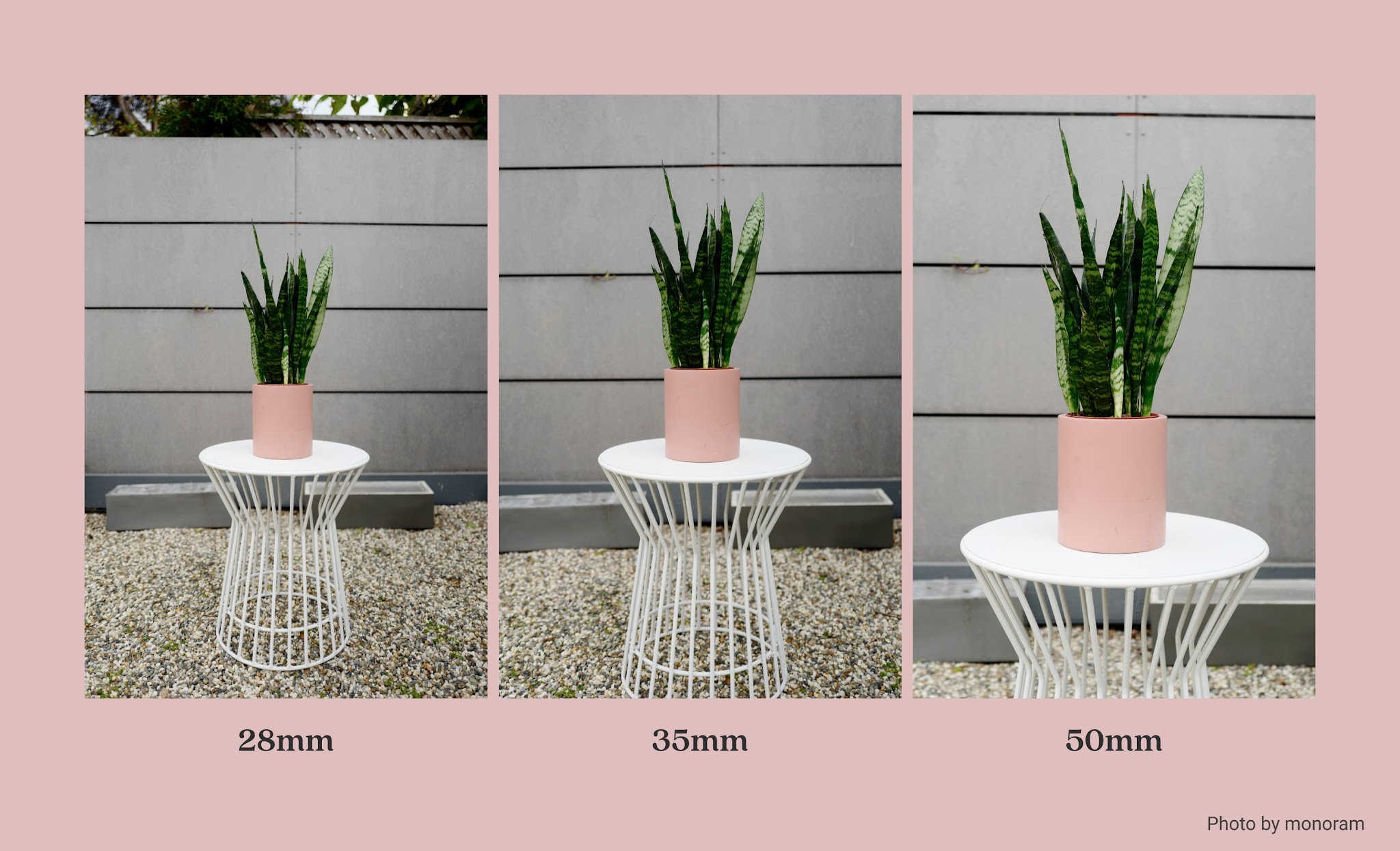
Focal length can affect photos in many different ways. Depending on the focal length of your lens and the type of photo you’re trying to shoot, it can affect both the look and the quality of your shot.
Now that we know how focal length affects an image, let’s take a look at the different classes of lenses and the types of photography they’re best used for.
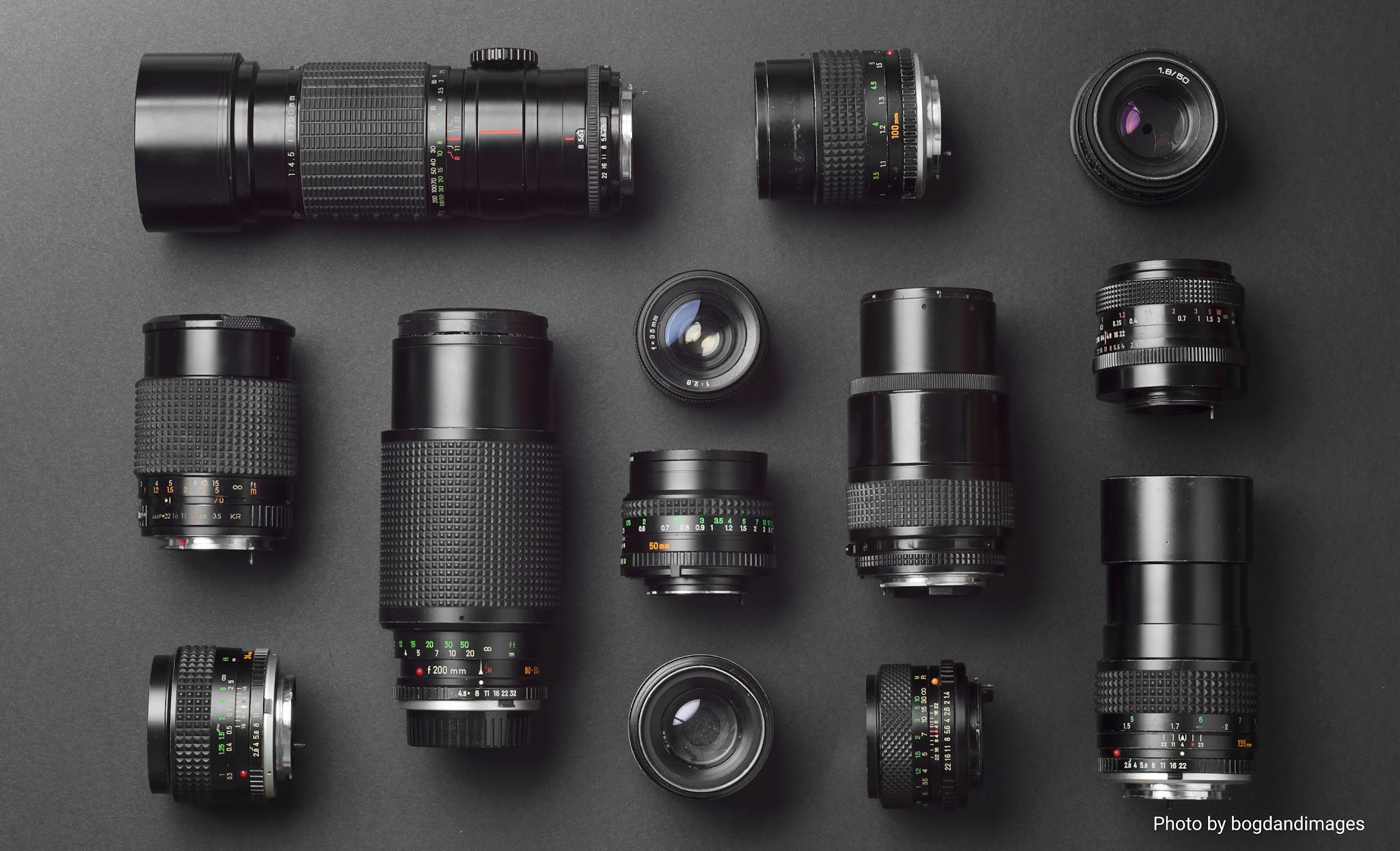
Lenses are separated by their focal length into five classifications:
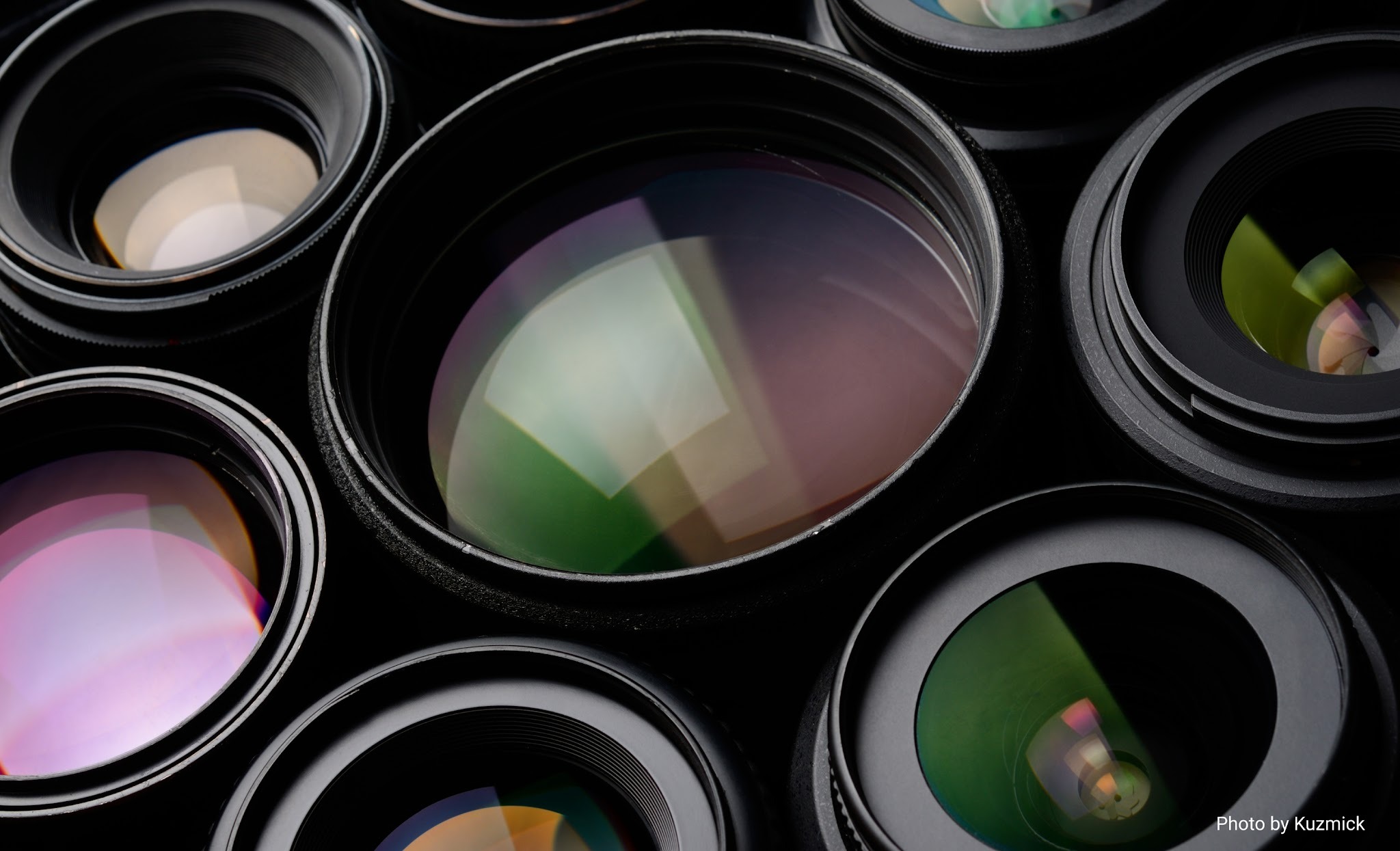
If you’re just starting and want to do general photography, a 50mm lens is a good one to start with. It will produce a clear image and give a balanced depth of field.
An iPhone 7+, 8+, and X have a wide-angle lens with a focal length that’s equivalent to a 28mm lens. The iPhone Xs and Xs Max have a wide-angle lens equivalent to a 26mm lens.
No, unless you’re shooting in low-light situations. Zoom lenses tend to have smaller maximum apertures (e.g., f/5.6), while prime lenses have larger maximum apertures (e.g., f/1.8). A prime lens will allow much more light to reach your camera sensor, which is most useful in low-light scenarios.
A prime lens has a fixed focal length, while a zoom lens allows you to adjust the focal length within its range. Zoom lenses have a smaller maximum aperture than prime lenses, making them less useful for shooting in low light.
Now that you understand a bit more about what focal length is and how it affects your images, you can choose lenses that will work best for you. You don’t need to memorize every length, just remember that the smaller the focal length, the wider the field of view will be, and you’ll be on your way.
Did we help demystify camera focal length? Tell us your thoughts below or on Twitter, Instagram, and Facebook.