When was photography invented? A brief timeline of photographic history.
Community

Share:


The history of photography is intricate, detailed, and a marvel of human technology. While we could fill volumes with this history, a number of core events shaped photography into the accessible, artistic, and wildly popular practice it is today. Here’s a bit more about these significant milestones.
Photography was invented in 1822 when the first photograph was taken by Joseph Nicéphore Niépce (pronounced “nyeps”). Unfortunately, the first examples of Niépce’s work have been lost to history, but he still holds the title for the oldest surviving photograph, taken in 1826.
His process used a camera obscura to capture images that were exposed onto bitumen-coated pewter plates. Exposures often took hours due to the limited light-sensitivity of available materials.
In 1829, another inventor and artist, Louis Daguerre, partnered with Niépce to improve the photography process. After Niepce’s death, Daguerre continued his work, and the process evolved into what is now known as the daguerreotype, which was shown publicly for the first time in 1839.
That same year, Robert Cornelius took the first self-portrait, and portrait studios using daguerreotypes became popular soon after.
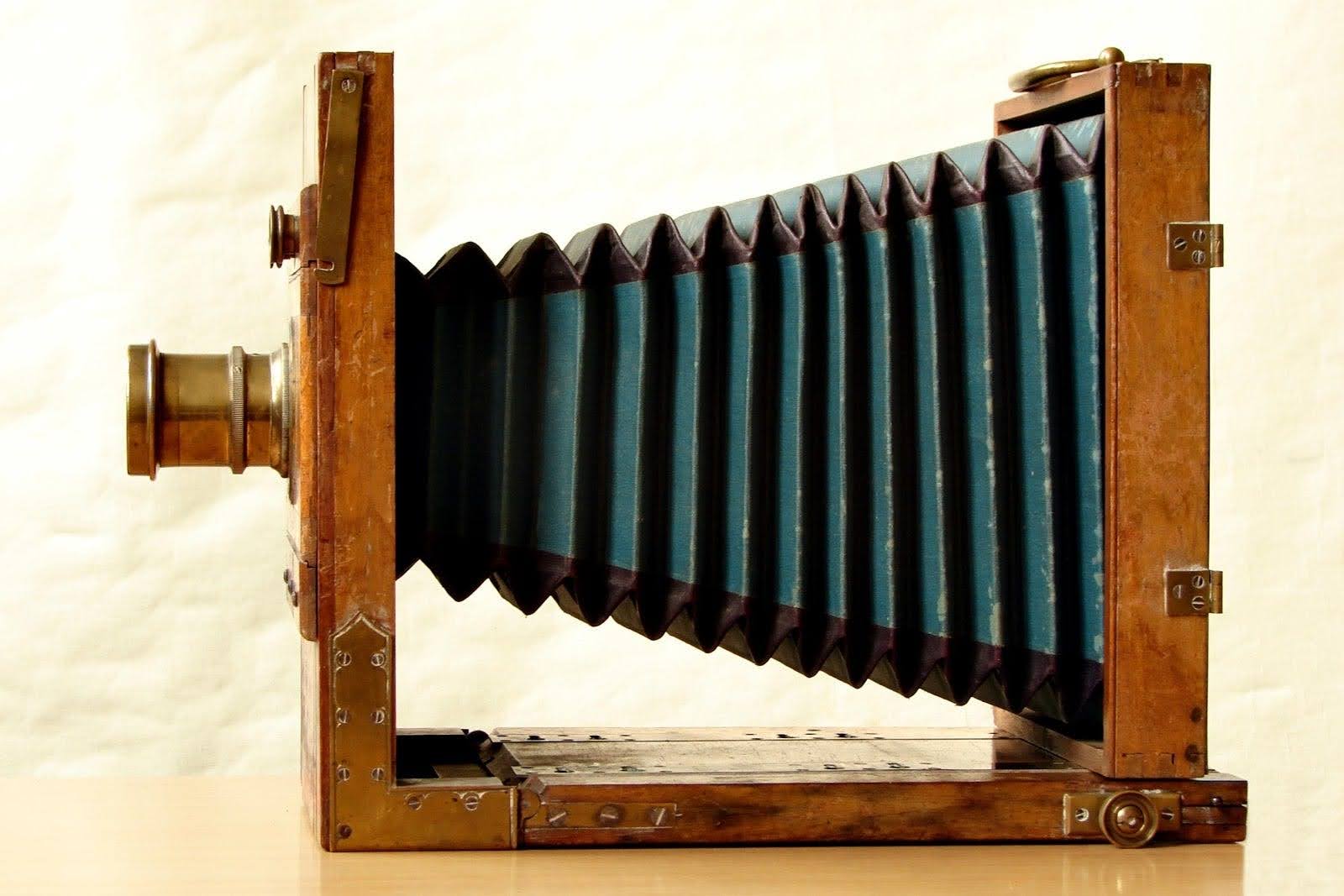
Photo by Marcin Kubiak.
With the advent of the collodion process in 1851, wet-plate photography took over as exposure times were drastically reduced, and darkrooms for development became relatively portable. The wet-plate process could be used on a variety of surfaces, primarily glass (for ambrotypes) and thin sheets of iron (for tintypes).
Unfortunately, the collodion process was also highly volatile and time sensitive. Photographers had only minutes to coat a plate in flammable photo-sensitive chemicals, take the photo, and develop it. The search for a more accessible and convenient form of photography would continue for another 20 years, until the introduction of dry-plate photography.
In 1871, a new technique using dry plates was invented by Richard Maddox. Dry plates did away with the finicky and often hazardous process of coating your own photographic plates, and it also gave photographers much more flexibility. Unlike wet plates, unexposed dry plates could be stored until use, and exposed dry plates did not have to be rushed into development. This process was used and refined for several years until the invention of film.
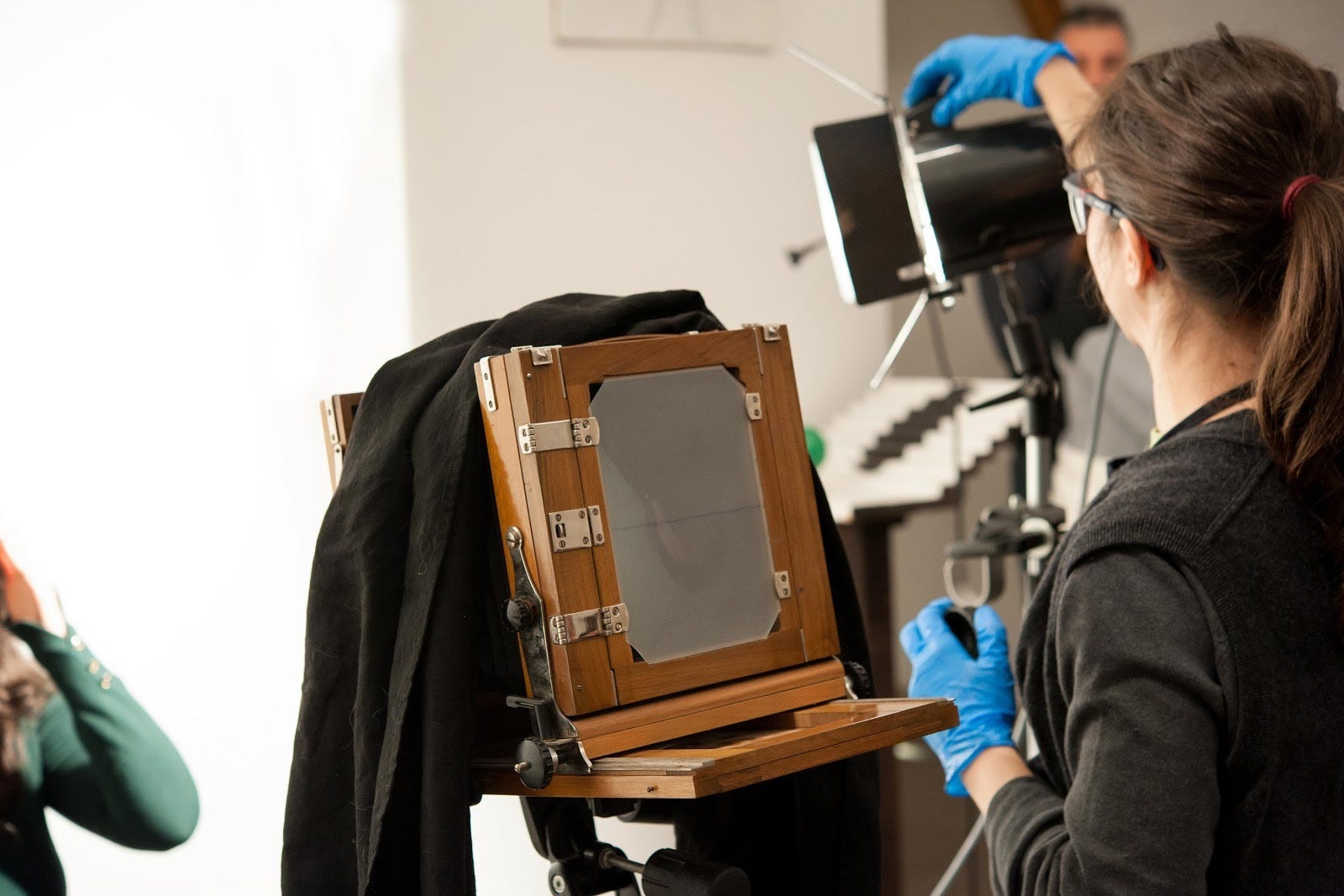
Photo by Federico-Magonio.
In the 1880s, the Kodak company, started by George Eastman, developed flexible film. This led to the invention of the first film camera, known as the Kodak, that was capable of taking up to 100 photos before the film needed to be changed. It was a simple camera with one shutter speed and a fixed lens, but it made photography accessible to more people than ever before.
In 1913, Oskar Barnack created a prototype for a compact 35mm camera that would produce high-quality enlargements; in 1925 the design called the Leica was put into production. Its popularity made 35mm film the top choice for high-end cameras.
Film for handheld cameras was black and white until 1935, when the Kodak company introduced color film. Over the years, color film was improved upon and became more affordable, and by the 1970s color photography dominated the industry. Black-and-white photos were then used mostly for photojournalism and fine-art photography.
While cameras and film were readily available, the process of developing film and printing photos was still laborious. So inventors continued to work on making the development and printing process faster.
In 1947 Polaroid founder Edwin Land demonstrated the first instant camera to the Optical Society of America in New York City. One year later, the instant camera was available in department stores nationwide. While color film was popular for most photography types, film for the instant camera was only available in black and white until 1963.
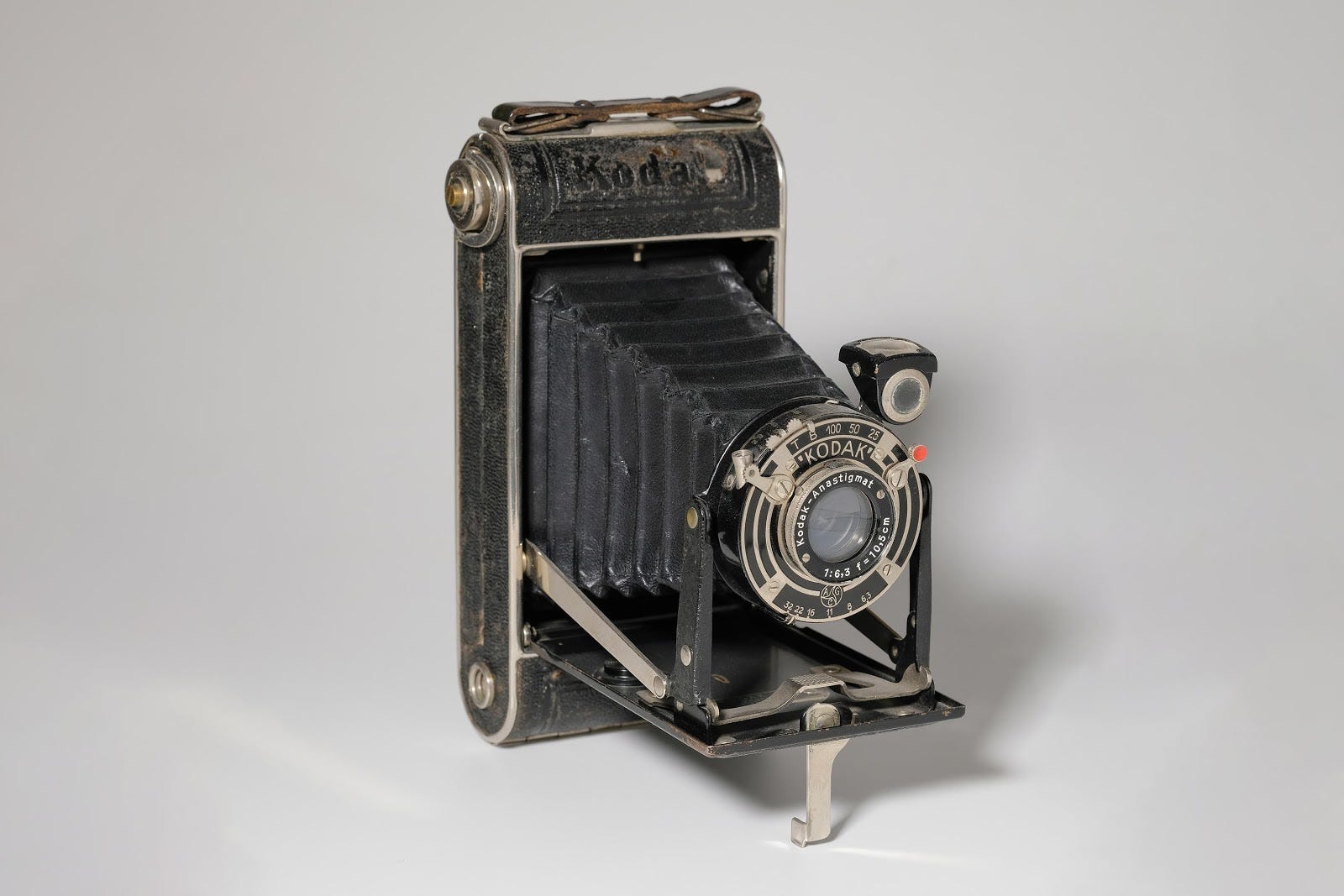
Photo by Daniele Levis Pelusi.
The first color photographs were daguerreotypes and tintypes that had color added by hand. This technique was replaced in 1907 by the autochrome process first done by brothers Auguste and Louis Lumière. However, these photos needed to be projected or viewed with a black light.
In 1935 the Kodak company introduced Kodachrome, and color film was born. With the invention of color film arrived the ability to see the world like never before. Photographer Eliot Porter used color film to capture stunning images of birds, and in 1943 his were the first color photographs exhibited at the Museum of Modern Art in New York City.
Both film and cameras continued to evolve and improve until the invention of digital photography, which shifted the focus of photographic technology to its core.
Steven Sasson is credited with the invention of digital photography and the invention of the digital camera. He began work for the Kodak company in 1973; two years later, at the age of 24, he invented the digital camera.
This camera is now on display at the Smithsonian National Museum of American History, and in 2009 Steven Sasson was awarded the National Medal of Technology and Innovation by President Barack Obama. Over the next 30 years, digital cameras became common household items, but they would eventually be dethroned by the camera phone.
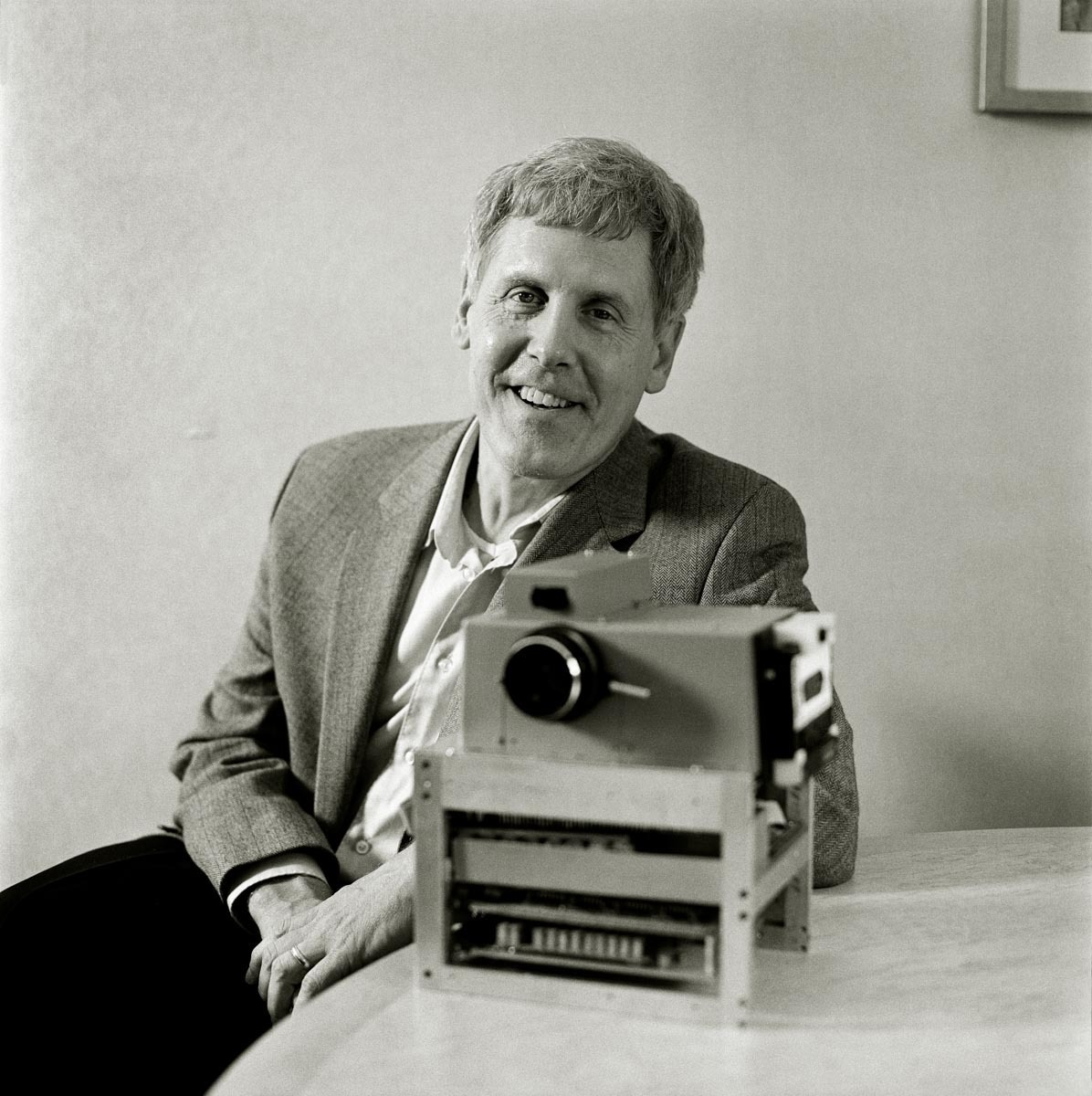
Photograph ©Harvey Wang from the book From Darkroom to Daylight (Daylight Books).
The first camera phone was the J-SH04, released in Japan and produced by Sharp in 2000. Unlike the Samsung camera phone also released in that year, the Sharp phone allowed a person to send photos electronically.
The Samsung phone needed to be connected to a computer to retrieve the photos. The J-SH04 had a resolution of 0.11 megapixels. In contrast, the iPhone 12 Pro Max has a resolution of 12 megapixels and features a main camera, a telephoto lens, an ultra-wide lens, and a LiDAR scanner for night portraits.
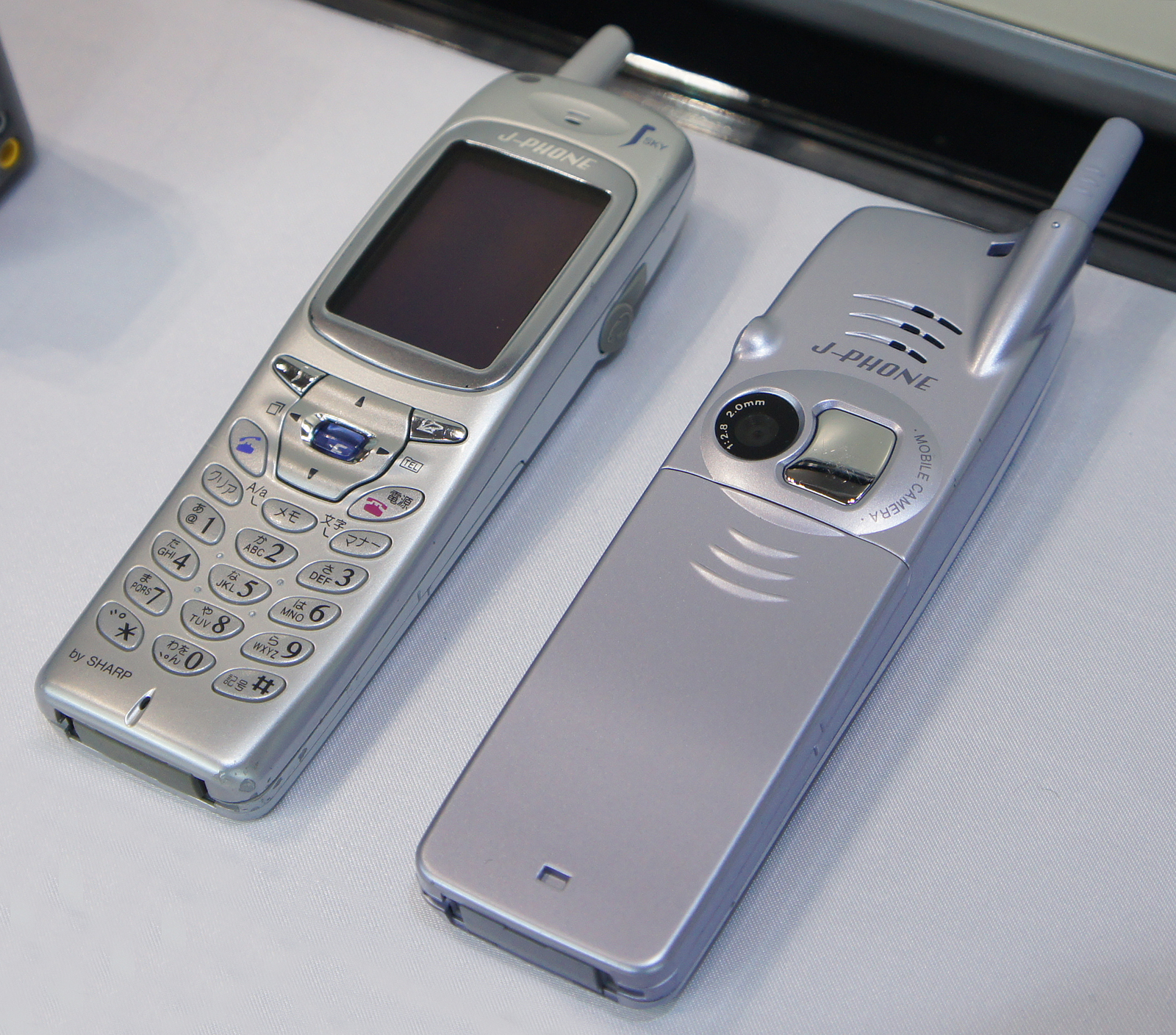
Photo by Morio.
Now that we’ve covered a brief history of photography, here are eight impressive photographic firsts:
From tintypes to camera phones, the photographic process has evolved an enormous amount in a relatively short period.